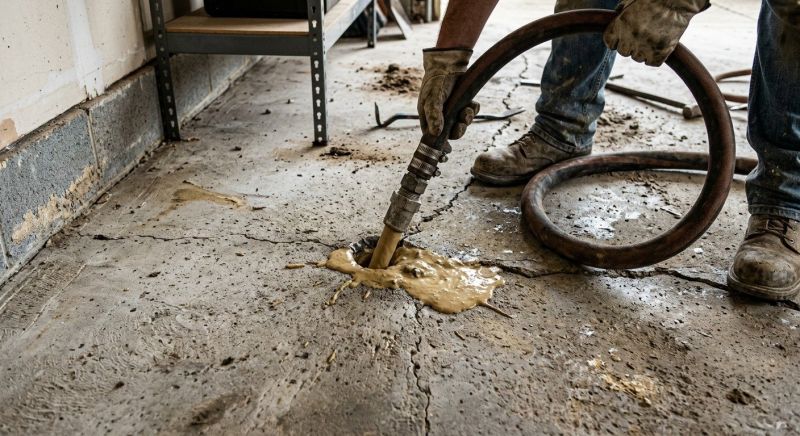
Driveway Slab Lifting in San Antonio, TX
Driveway slab lifting is a service that addresses uneven or sunken concrete surfaces, helping to restore the driveway’s level and safe condition. This process is commonly requested for residential properties with cracked, cracked, or settling concrete slabs, often caused by soil movement, erosion, or changes in moisture levels. Homeowners typically seek this service to improve curb appeal, prevent further damage, and ensure safe access to garages, walkways, and outdoor spaces.
Before requesting driveway slab lifting, property owners usually want to understand the extent of the existing damage and whether the concrete can be effectively restored. It’s also important to consider the underlying causes of the settling, such as soil instability, to determine if additional repairs or soil stabilization might be necessary. Clear communication about the condition of the driveway and the desired outcome can help ensure the project meets expectations and maintains long-term durability.
Many property owners in San Antonio, TX look into Driveway Slab Lifting for repairs, replacements, upgrades, and appearance-related improvements.
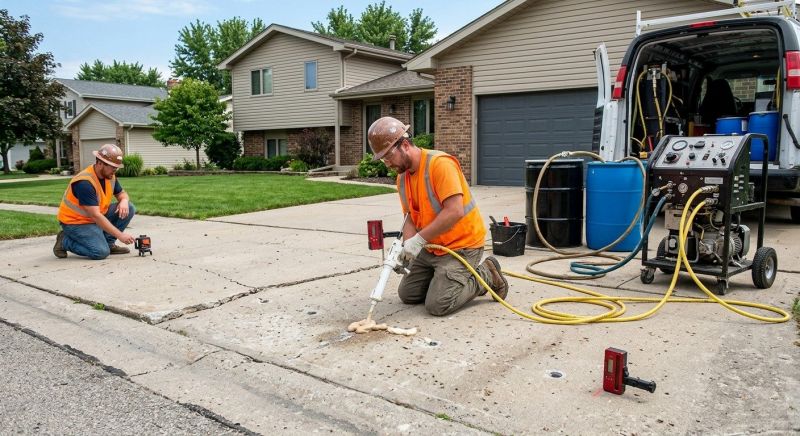
Benefits Of Driveway Slab Lifting
Restores a level surface to prevent further damage and improve curb appeal.
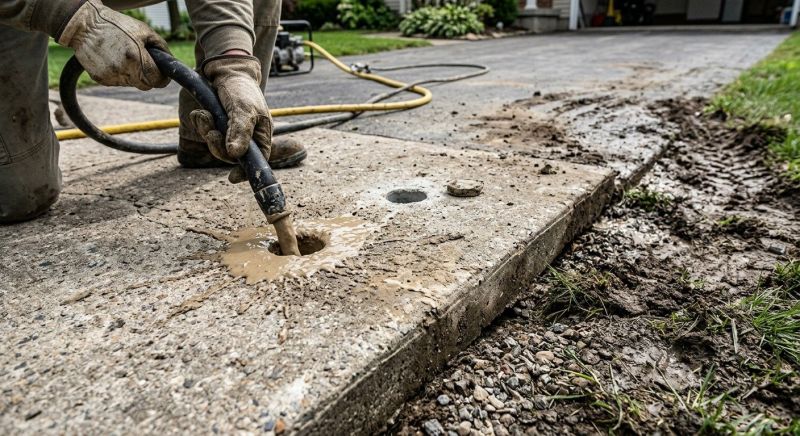
Common Causes Of Slab Settlement
Soil movement, erosion, and poor compaction can lead to uneven driveways in san antonio.
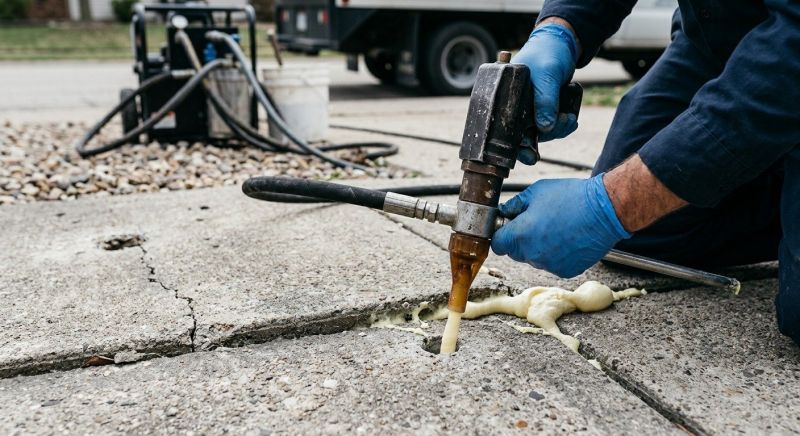
Signs Your Driveway Needs Lifting
Cracks, uneven surfaces, and pooling water indicate the need for slab stabilization.
Driveway Slab Lifting in San Antonio, TX

Driveway slab lifting is a service that addresses uneven or sunken concrete surfaces, helping to restore the driveway’s level and safe condition. This process is commonly requested for residential properties with cracked, cracked, or settling concrete slabs, often caused by soil movement, erosion, or changes in moisture levels. Homeowners typically seek this service to improve curb appeal, prevent further damage, and ensure safe access to garages, walkways, and outdoor spaces.
Before requesting driveway slab lifting, property owners usually want to understand the extent of the existing damage and whether the concrete can be effectively restored. It’s also important to consider the underlying causes of the settling, such as soil instability, to determine if additional repairs or soil stabilization might be necessary. Clear communication about the condition of the driveway and the desired outcome can help ensure the project meets expectations and maintains long-term durability.
Many property owners in San Antonio, TX look into Driveway Slab Lifting for repairs, replacements, upgrades, and appearance-related improvements.
Common Driveway Slab Lifting Jobs
Driveway Slab Lifting - stabilizes uneven or sinking concrete slabs to restore a level surface.
Concrete Repair - addresses cracks and damage caused by shifting slabs for a smoother driveway.
Foundation Support - provides lifting and stabilization to prevent further settling or cracking.
Uneven Surface Correction - raises sunken sections to improve safety and driveway appearance.
Settlement Prevention - helps maintain driveway integrity by preventing future sinking issues.
Structural Reinforcement - enhances the stability of the driveway to extend its lifespan.
Driveway Slab Lifting Questions
What causes driveway slabs to lift? Slab lifting often results from soil movement, moisture changes, or poor compaction beneath the slab.
Is driveway slab lifting a safety concern? Yes, uneven slabs can create tripping hazards and may lead to further damage if not addressed.
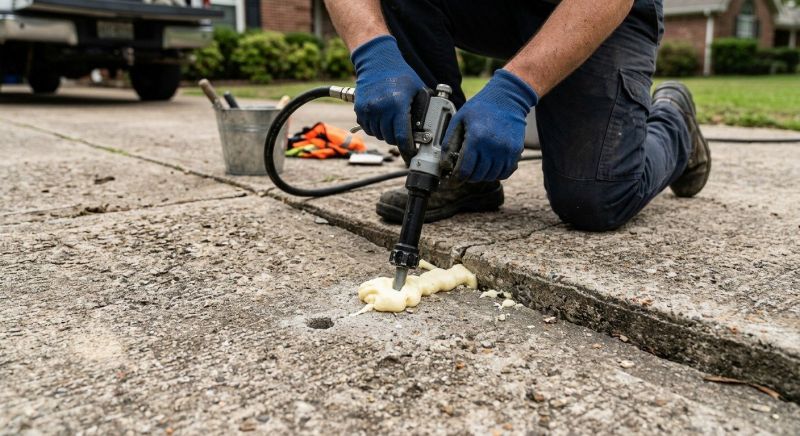
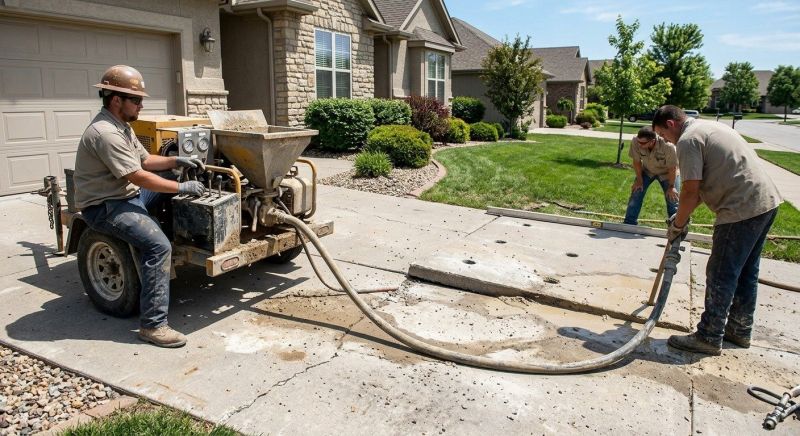
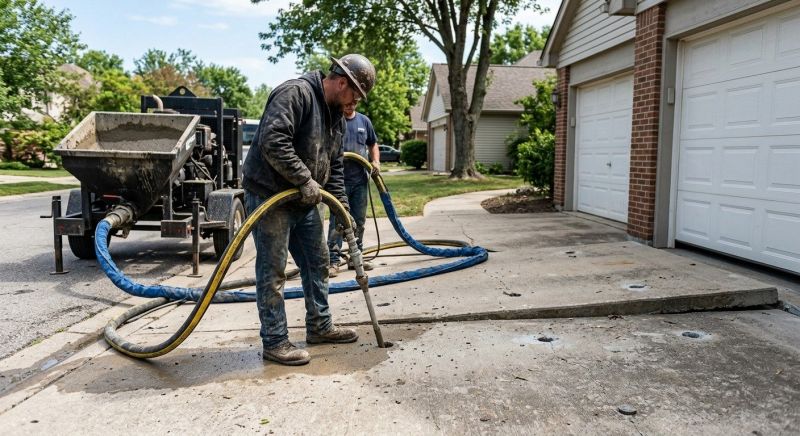
How is driveway slab lifting typically repaired? Repairs usually involve injecting materials beneath the slab to restore stability and levelness.
Can driveway slab lifting prevent further damage? Properly lifting and leveling slabs can help prevent cracking, uneven surfaces, and additional deterioration.
Request Driveway Slab Lifting in San Antonio, TX
Use the quote form on this page to share the basics of your project and request more information for the type of work you need.