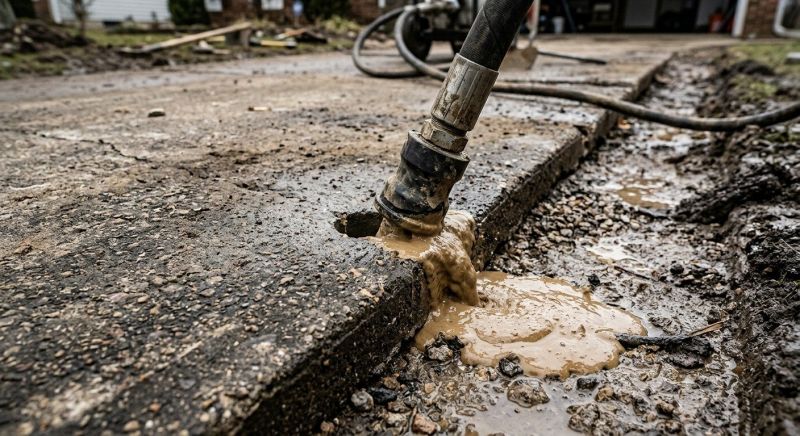
Driveway Slab Lifting in Des Moines, IA
Driveway slab lifting is a service that addresses uneven or sinking concrete surfaces, helping to restore a smooth and level driveway. This process is often used for projects where a driveway has settled due to soil movement, erosion, or other ground shifts, causing cracks, trip hazards, or an unsightly appearance. Property owners typically request this service when they notice their driveway has become uneven, cracked, or no longer provides a safe and functional surface for vehicles and pedestrians.
Before requesting driveway slab lifting, homeowners usually want to understand the extent of the settling or damage, the methods used for lifting and leveling the concrete, and the expected results. It’s also helpful to know whether additional repairs, such as crack filling or soil stabilization, are recommended to ensure long-term stability. Proper assessment and planning can help maintain a safe, level driveway that enhances curb appeal and functionality.
Many property owners in Des Moines, IA look into Driveway Slab Lifting for repairs, replacements, upgrades, and appearance-related improvements.
Understanding Driveway Slab Lifting
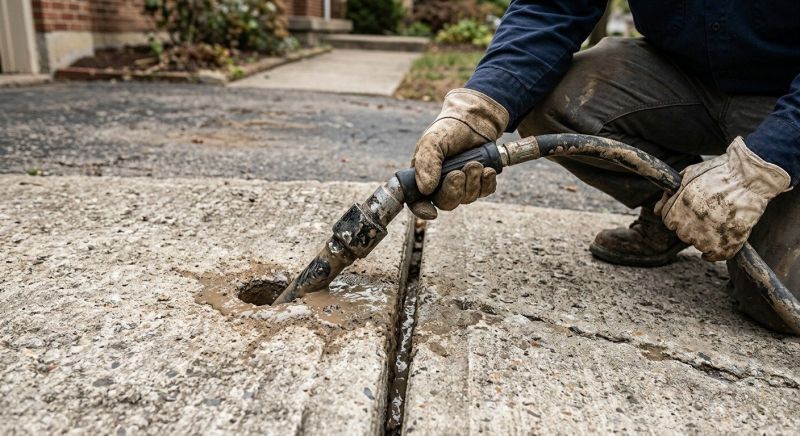
This service restores the level and stability of sunken or uneven driveway slabs in des moines, ia.
Common Causes Of Slab Settlement
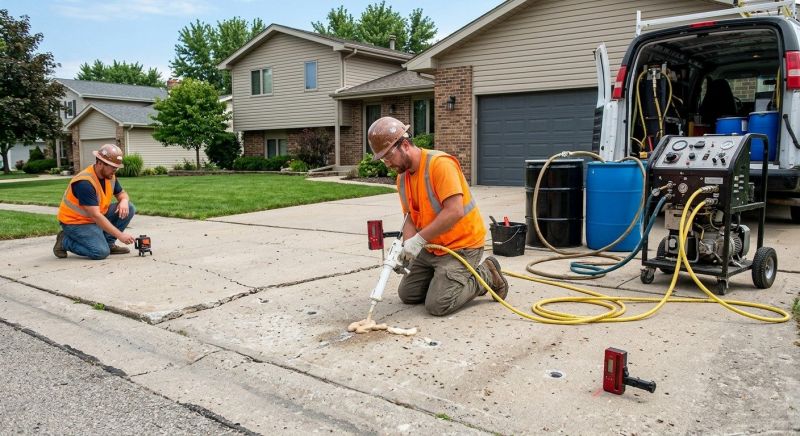
Soil erosion, freeze-thaw cycles, and poor compaction often lead to driveway slab sinking or cracking.
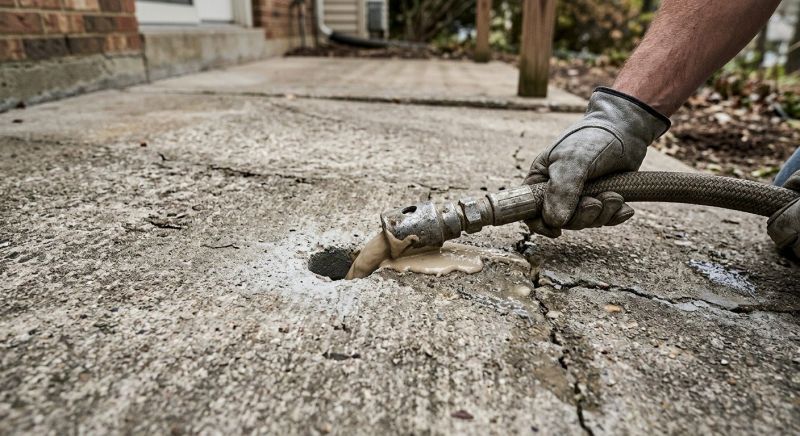
Benefits Of Slab Lifting
Proper lifting can enhance safety, improve curb appeal, and extend the lifespan of driveway surfaces.
Driveway Slab Lifting in Des Moines, IA

Driveway slab lifting is a service that addresses uneven or sinking concrete surfaces, helping to restore a smooth and level driveway. This process is often used for projects where a driveway has settled due to soil movement, erosion, or other ground shifts, causing cracks, trip hazards, or an unsightly appearance. Property owners typically request this service when they notice their driveway has become uneven, cracked, or no longer provides a safe and functional surface for vehicles and pedestrians.
Before requesting driveway slab lifting, homeowners usually want to understand the extent of the settling or damage, the methods used for lifting and leveling the concrete, and the expected results. It’s also helpful to know whether additional repairs, such as crack filling or soil stabilization, are recommended to ensure long-term stability. Proper assessment and planning can help maintain a safe, level driveway that enhances curb appeal and functionality.
Many property owners in Des Moines, IA look into Driveway Slab Lifting for repairs, replacements, upgrades, and appearance-related improvements.
Common Driveway Slab Lifting Jobs
Driveway Slab Lifting - restores uneven slabs to a level surface for safety and appearance.
Cracked Driveway Repair - addresses sunken or cracked concrete to prevent further damage.
Uneven Surface Correction - raises and stabilizes slabs to improve driveway functionality.
Driveway Settling Fixes - corrects sinking areas caused by soil movement or erosion.
Concrete Leveling - uses specialized techniques to lift and realign driveway slabs efficiently.
Driveway Restoration - enhances curb appeal by repairing and leveling existing concrete surfaces.
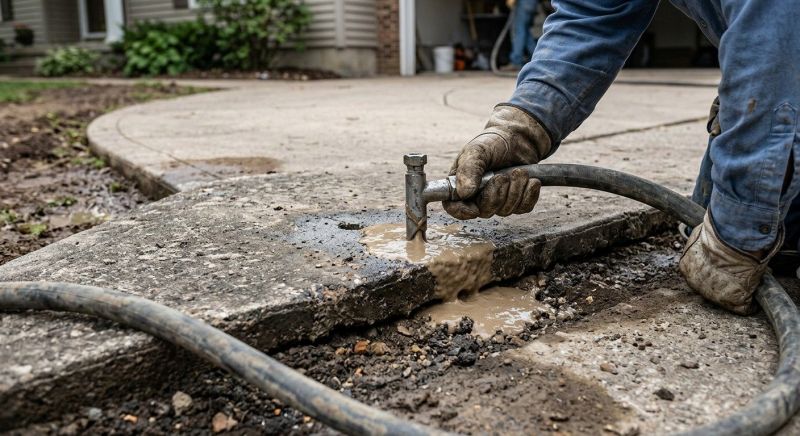
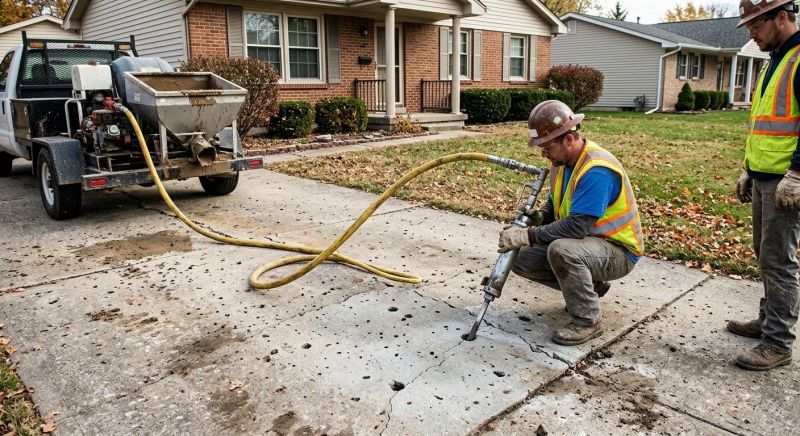
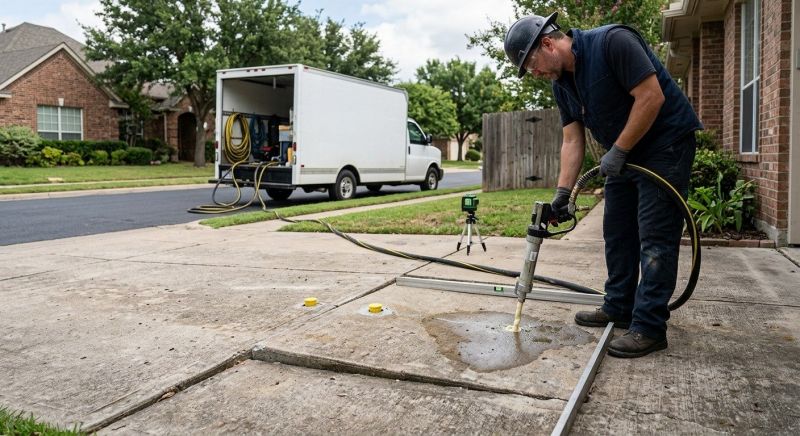
Driveway Slab Lifting Questions
What causes driveway slabs to lift? Driveway slabs can lift due to soil movement, water erosion, or freeze-thaw cycles that create pressure beneath the surface.
How can I tell if my driveway needs lifting? Signs include uneven surfaces, cracks, or slabs that have shifted out of position, affecting the driveway’s stability.
Is driveway slab lifting a repair I can do myself? This work typically requires specialized equipment and expertise, making professional services the recommended option.
What are common reasons property owners request slab lifting? Most requests are due to unevenness, cracks, or safety concerns caused by settling or shifting slabs.
Request Driveway Slab Lifting in Des Moines, IA
Use the quote form on this page to share the basics of your project and request more information for the type of work you need.